
Introduction to Wound Care
Wound care is a critical aspect of health management that often goes overlooked by individuals. Many people assume that minor cuts and abrasions require little to no attention, leading to neglect that can cause severe complications. Proper wound care is essential not only for ensuring rapid healing but also for preventing infections that can arise from seemingly benign injuries. Understanding the intricacies of wound management is vital for both health practitioners and the general public.
When a cut occurs, even minor injuries can serve as entry points for bacteria and pathogens. This reality underscores the importance of proactive care, as neglecting a small cut can escalate into significant health issues, including deeper infections or systemic illness. Effective wound management involves several stages, such as cleaning, disinfecting, and properly dressing the wound. These steps may seem straightforward, yet they are paramount in minimising the risk of infection.
Awareness of the potential dangers associated with unaddressed wounds is crucial. For example, a simple scrape that is left untreated can become inflamed, leading to cellulitis or even sepsis in severe cases. It is within this context that awareness and prompt action must be emphasized. Individuals should be educated about the signs of infection, which include increased redness, swelling, and pus formation. Recognizing these signs early can make a significant difference in outcomes.
Moreover, understanding the various types of wounds—such as lacerations, punctures, and abrasions—can aid in determining the appropriate care and treatment needed. A comprehensive approach to wound care not only fosters better health outcomes but also enhances overall well-being. As we explore the nuances of wound care further, it becomes evident how crucial it is to engage in proper management practices to avoid dire consequences.
The Progression from Minor Injury to Serious Infection
Understanding the biological processes that transpire following a cut or wound is essential in grasping how a minor injury can progress into a serious infection. When the skin is compromised, it serves as an entry point for various pathogens, particularly bacteria, that are commonly found on the skin and in the environment. The initial response involves the body’s immune system, which activates to prevent infection and promote healing.
Upon sustaining a cut, the body quickly initiates a cascade of physiological reactions. Blood vessels constrict to minimize blood loss, followed by a process called hemostasis, where platelets aggregate to form a clot. This clot serves not only to seal the wound but also to provide a temporary barrier against invading microorganisms. Following this initial defense, the immune system dispatches white blood cells to the site of injury, where they engulf and destroy pathogens.
However, several factors can influence whether a minor cut will escalate to a serious infection. The location of the wound plays a critical role; areas that are prone to moisture or friction, such as between the toes or in specific skin folds, can create an environment conducive to bacterial growth. Additionally, the individual’s overall health and pre-existing conditions—such as diabetes or immune disorders—can impair the body’s ability to fight off infections effectively. Hygiene practices also significantly impact infection risk; wounds that are not kept clean and adequately covered are more susceptible to contamination.
In conclusion, awareness of these biological processes and contributing factors is crucial for effective wound care. By taking proactive measures to clean and protect cuts, individuals can significantly lower the risk of developing serious infections stemming from minor injuries.
Essential First Aid for Cuts and Wounds
Immediate attention to cuts and wounds is crucial in preventing infection and promoting healing. The first step in wound care involves cleaning the area with mild soap and water to remove any debris and bacteria. This process can help minimize the risk of infection. After thoroughly cleansing the wound, gentle patting with a clean towel can help remove excess moisture, but care should be taken to avoid further irritation to the skin.
Controlling bleeding is the next paramount action. If the cut is bleeding, applying gentle pressure with a clean cloth or bandage is essential. Depending on the severity of the wound, elevation of the affected area above heart level may also aid in reducing blood flow to the site, thereby assisting in clot formation. If bleeding persists for more than 10 minutes, seeking professional medical help is advised to address the injury appropriately.
After controlling the bleeding, it’s time to apply a suitable dressing to the wound. Utilizing sterile bandages or adhesive dressings helps to protect the injury from external contaminants. It is key to ensure that the dressing is not too tight, as this can impede circulation or harbor moisture that can worsen the wound condition. Choosing a dressing that is appropriate for the type of cut, whether it’s a simple adhesive bandage or gauze for a larger laceration, can significantly impact healing.
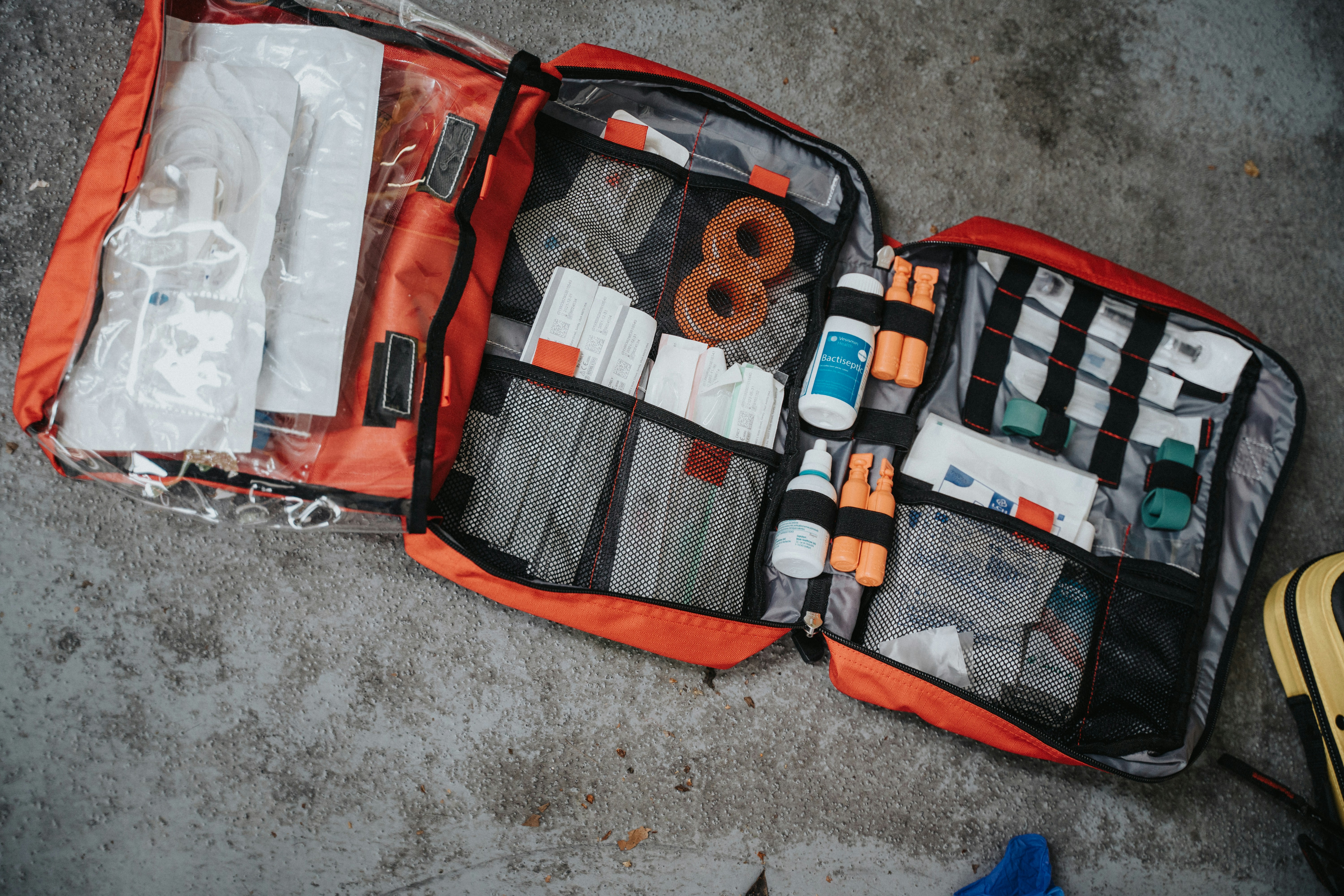
Having an effective first aid kit is vital for addressing cuts and wounds swiftly. Essential supplies should include antiseptic wipes, adhesive bandages of various sizes, sterile gauze pads, adhesive tape, and disposable gloves to maintain hygiene. Familiarizing oneself with these items can ensure prompt and efficient treatment during medical emergencies, paving the way for better outcomes in wound management.
Signs That Require Immediate Medical Attention vs. Home Care
Understanding when to manage a wound at home versus when to seek professional medical assistance is crucial for effective wound care and infection prevention. Several signs indicate that immediate medical attention is necessary. If a wound is unusually deep, such that it exposes underlying tissues, muscles, or bones, it is critical to seek medical help right away. Additionally, cuts that are larger than three inches or those caused by animal bites require professional evaluation and care due to the higher risk of infection and complications.
It’s also essential to recognize symptoms of infection, which may compound the severity of a seemingly minor wound. Increased redness that extends outward from the site, swelling that worsens over time, or the presence of pus or other unusual discharge are indicators that medical intervention is warranted. Furthermore, if a person develops fever, which may be accompanied by chills or malaise, it is a clear sign that the body is responding to an infection. Under such circumstances, neglecting to seek timely care may lead to more severe health issues, including systemic infections.
There are, however, instances where home care may suffice. Minor cuts and abrasions can often be treated effectively at home. These wounds typically exhibit minimal redness, are shallow, and do not produce significant bleeding. Cleaning the wound thoroughly with soap and water, applying an antiseptic, and covering it with a sterile bandage can promote healing without the need for medical intervention.
In summary, the decision to treat a wound at home or seek medical help hinges upon its severity and the presence of signs of infection. Being informed about these critical indicators can play a pivotal role in ensuring proper care and preventing any potential complications.
Proper Wound Dressing Techniques
Effective wound care is crucial for promoting healing and preventing infection. Various types of dressings are available, each designed to address specific wound types and conditions. Common dressings include adhesive bandages, hydrocolloid dressings, foam dressings, and gauze. Choosing the appropriate dressing depends on the wound’s characteristics, including size, depth, and exudate level.
For superficial wounds such as minor cuts or abrasions, adhesive bandages can provide an adequate barrier against dirt and bacteria while allowing for moisture retention. Hydrocolloid dressings are ideal for moderate exudate wounds as they create a moist environment conducive to healing, while also adhering well to the skin. Foam dressings can be utilized for larger, more complex wounds that produce significant exudate; they absorb moisture effectively and help protect the area from external contaminants.
Applying dressings correctly is equally important. Firstly, the wound should be cleaned and dried gently. Hands must be cleaned thoroughly with soap and water, or appropriate hand sanitizer, before handling dressings to minimize the risk of introducing pathogens. When applying the dressing, ensure it covers the entire wound to prevent exposure. Secure the dressing adequately, but avoid excessive tightness, which can restrict blood circulation. Regularly changing dressings is essential to keep the wound clean and allow for monitoring of any signs of infection, such as increased redness, swelling, or pus.
While it is often beneficial to keep wounds covered to promote healing, there are scenarios where leaving a wound exposed may be advantageous. For instance, in the case of minor abrasions or superficial wounds in a clean environment, exposing the wound can facilitate air circulation and expedite drying, which may aid in healing. However, caution is advised; if there’s any risk of contamination from the surrounding environment, covering the wound remains the best practice for infection prevention.
Questions to Ask Healthcare Providers About At-Home Wound Treatment
Managing cuts and wounds at home can be challenging, and ensuring proper treatment is essential for effective recovery. When consulting with healthcare providers, patients should consider a comprehensive set of questions that can help clarify the best practices for at-home wound care. Here are several key inquiries to make:
Firstly, ask about the signs of infection to watch for during the healing process. It is crucial to understand symptoms such as increased redness, swelling, warmth, or discharge, which may indicate an infection. Knowing these signs enables timely intervention and can prevent complications.
Next, seek advice on which wound care products are most effective for specific types of cuts. Depending on the size and location of the wound, different products, such as gauze, adhesive bandages, or specialty dressings, may be recommended. Inquire about whether over-the-counter items are suitable or if any prescription treatments are necessary for optimal healing.
Additionally, ask when it is appropriate to change dressings and how to do so properly. Changing the dressing too frequently or not often enough can impact the healing process and potentially lead to infection. Clarifying the most effective frequency and techniques for dressing changes is valuable for maintaining a safe wound care routine at home.
Finally, it is vital to discuss follow-up care. Request information on when to return to the healthcare provider for further examination of the wound. Understanding the timeline for follow-up visits can aid in monitoring the healing process and addressing any issues that may arise. This proactive approach fosters better outcomes and reduces the risk of complications associated with untreated or poorly managed wounds.
Creating a Home First Aid Protocol
Establishing a home first aid protocol is essential for ensuring safety and prompt care in case of injuries. The first step in this process is to organize a well-stocked first aid kit. A comprehensive first aid kit should include essential items such as adhesive bandages, sterile gauze pads, antiseptic wipes, adhesive tape, scissors, tweezers, and pain relief medications. Additionally, including items such as burn cream, hydrocortisone cream, and instant cold packs can help manage varying types of injuries. It is advisable to periodically check this kit, replacing expired items and ensuring that everything is readily accessible.
Once the first aid kit is organized, it is vital to establish a communication system among family members regarding injuries and first aid procedures. This can be as simple as creating a checklist of common injuries and their corresponding first aid responses, which can be posted in a visible location, such as on the refrigerator. Family members should be aware of the location of the first aid kit and how to use its contents. Regular family meetings can be held to discuss the protocol and familiarize every member with basic first aid practices, fostering a collective responsibility for each other’s well-being.
Incorporating education on first aid practices into family routines can further enhance your home first aid protocol. Consider enrolling family members in a local first aid training course or using online resources to learn necessary skills such as CPR, wound care, and the management of allergic reactions. Practical exercises, like role-playing scenarios, can also help reinforce this knowledge and prepare family members for real-life situations. By establishing a proactive approach, families can create a safer environment, minimizing the impact of injuries and promoting effective responses.
The Importance of Hygiene and Infection Prevention
Maintaining proper hygiene is paramount in preventing infections resulting from cuts and wounds. When a skin injury occurs, the body’s protective barrier is compromised, creating an entry point for harmful pathogens. Therefore, implementing effective hygiene practices can significantly reduce the likelihood of infection.
One of the most critical steps in infection prevention is effective handwashing. This process involves using soap and clean water to thoroughly wash hands for at least 20 seconds, paying careful attention to the spaces between fingers, under fingernails, and around the wrists. Hand sanitizer with at least 60% alcohol can be a suitable alternative when soap and water are unavailable. Washing hands before and after handling a wound is essential as it minimizes the risk of transferring bacteria to or from the injury.
When it comes to wound care, safe cleaning techniques are vital. Rinse the wound gently under running water to remove any debris, dirt, or bacteria. Avoid using hydrogen peroxide or alcohol as these can delay the healing process. Instead, use mild soap and water or saline solution for cleaning. Once the wound is cleaned, it is crucial to apply an appropriate dressing that can protect the area and keep it moist, as moisture can facilitate the healing process. Moreover, ensure that dressings are changed regularly, especially if they become wet or soiled.
Equally important is the maintenance of a clean environment. Ensure that surfaces and tools used in wound care, such as scissors or tweezers, are sanitized before use. Keeping the living space tidy can also contribute to lower infection risks, as clutter can harbor germs. Regular cleaning and disinfecting of commonly touched surfaces, along with appropriate waste disposal, further enhance overall hygiene and reduce the incidence of infection.
Conclusion: Empowering Yourself with Knowledge and Skills
In the realm of wound care and infection prevention, understanding the intricacies of proper management is essential. Throughout this blog post, we have explored various aspects of wound care, emphasizing not only the methods for treating minor injuries but also the critical importance of recognizing when professional medical intervention is necessary. Empowering yourself with knowledge equips you to handle cuts and abrasions confidently and effectively, minimizing the risk of complications such as infections.
Medical literature and expert guidelines emphasize that appropriate wound care can significantly influence healing outcomes. Familiarity with basic techniques, such as cleaning, dressing, and monitoring wounds, forms the foundation for competent self-care. Moreover, understanding the signs and symptoms of infection—such as increased redness, swelling, or discharge—allows individuals to act promptly, ensuring that issues are addressed before they escalate.
Furthermore, we encourage readers to cultivate self-advocacy in their health journeys. Should wounds appear problematic or healing not progress as expected, seeking professional medical advice becomes paramount. Health professionals are equipped with the necessary expertise and resources to manage more complex or infected wounds, which is crucial for safeguarding overall health.
In light of the information shared, readers are urged to take an active role in their wound care and prevention efforts. By applying the principles outlined herein and continuing to educate themselves, individuals can manage minor injuries effectively at home while recognizing the proper circumstances for professional intervention. In doing so, self-care can be powerfully balanced with the awareness needed to ensure optimal recovery. Ultimately, knowledge is a pivotal tool in fostering a resilient approach to health and well-being in the context of wound care.